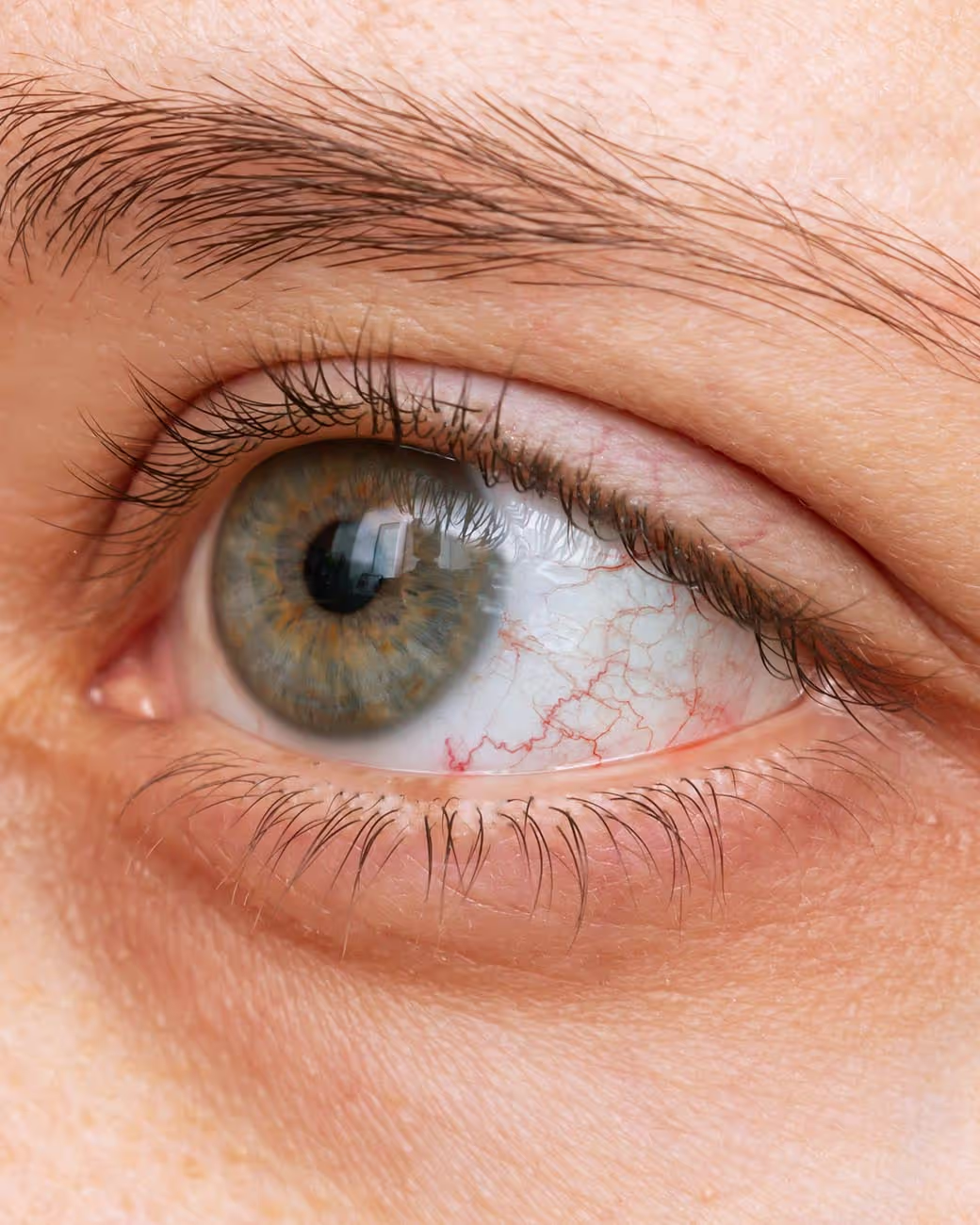
Dry Eye and Ocular Surface

Advanced Diagnosis and Personalized Relief

Dry eye is a common condition that occurs when your eyes don't produce enough quality tears to stay properly lubricated. Tears are a complex mixture of oil, water, and mucus, and an imbalance in any of these components can lead to significant daily discomfort. Dr. Shah is one of the nation's leading experts in dry eye, and she offers a comprehensive, personalized approach to bring you lasting relief.

Comprehensive Diagnosis

Effective treatment begins with an accurate diagnosis. Dr. Shah utilizes the latest diagnostic tools to identify the specific type and underlying cause of your dry eye.

TearLab

This test measures the saltiness of your tears, a key indicator of dry eye severity.

InflammaDry

This quick, in-office test detects a specific inflammatory protein (MMP-9) that often signals underlying inflammation contributing to your dry eye.

LipiScan

This technology provides a detailed image of your meibomian glands, the tiny glands that produce the oily layer of your tears. This helps to identify blockages, which are a very common cause of dry eye.
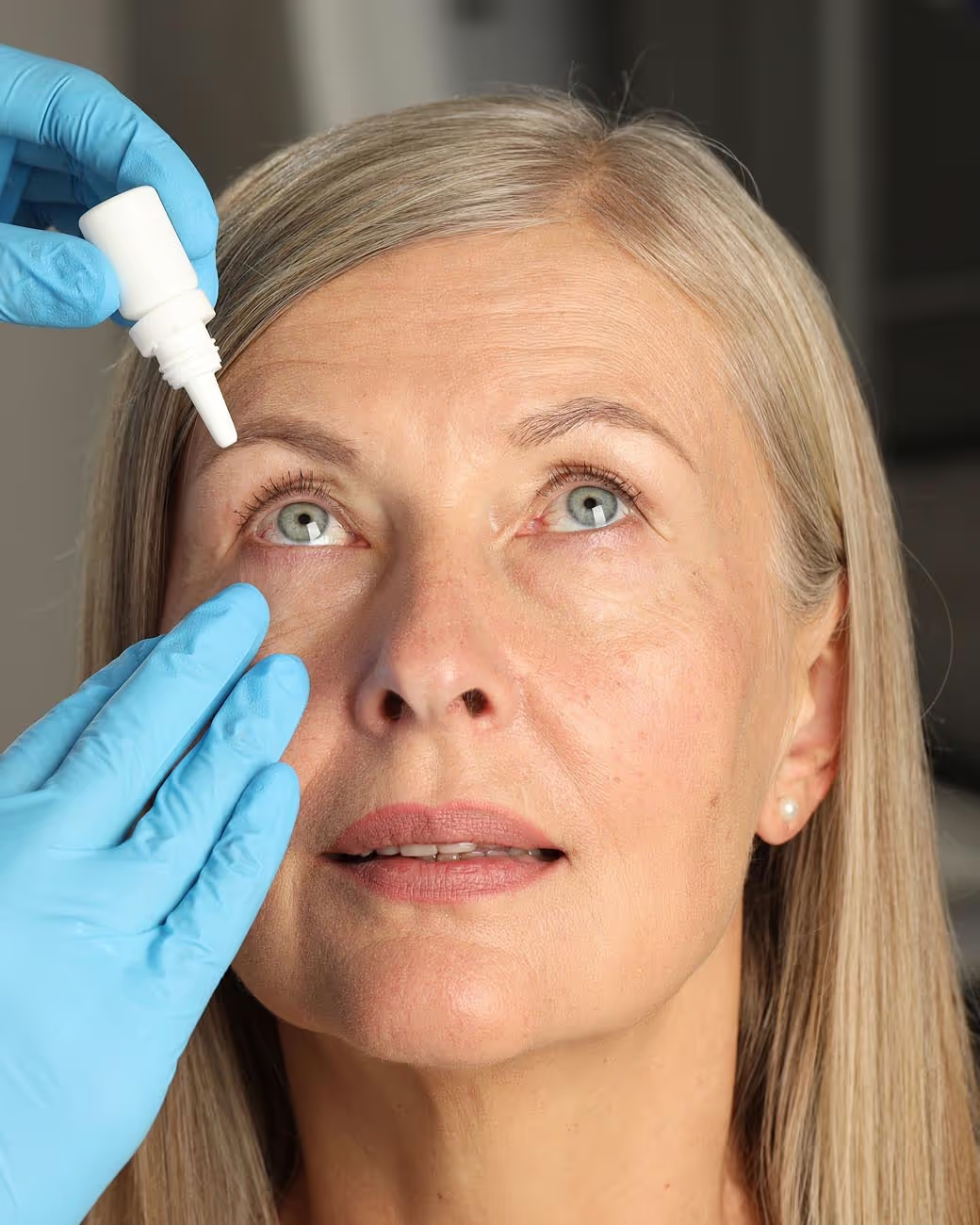
Advanced Treatment Options

Based on your personalized diagnosis, Dr. Shah will create a customized treatment plan from a full spectrum of available therapies.

  • Prescription Therapy: For many patients, prescription eye drops are used to reduce inflammation and help the eyes produce more of their own natural tears.
  • Serum Tears (Autologous and/or Allogenic): For advanced cases, Dr. Shah can provide a highly personalized treatment called serum tears. This is a unique eye drop created from a small sample of your own blood, which contains natural healing and lubricating factors that is performed in our practice.
  • Amniotic Membrane: This is a safe and effective biological tissue used as a therapeutic bandage. The membrane has natural healing properties that can help repair the surface of the eye in more severe cases of dry eye.
  • Mechanical Support: Tiny, biocompatible material can be painlessly inserted into the tear ducts to keep your natural tears on the eye's surface for longer. These can range from temporary to permanent.
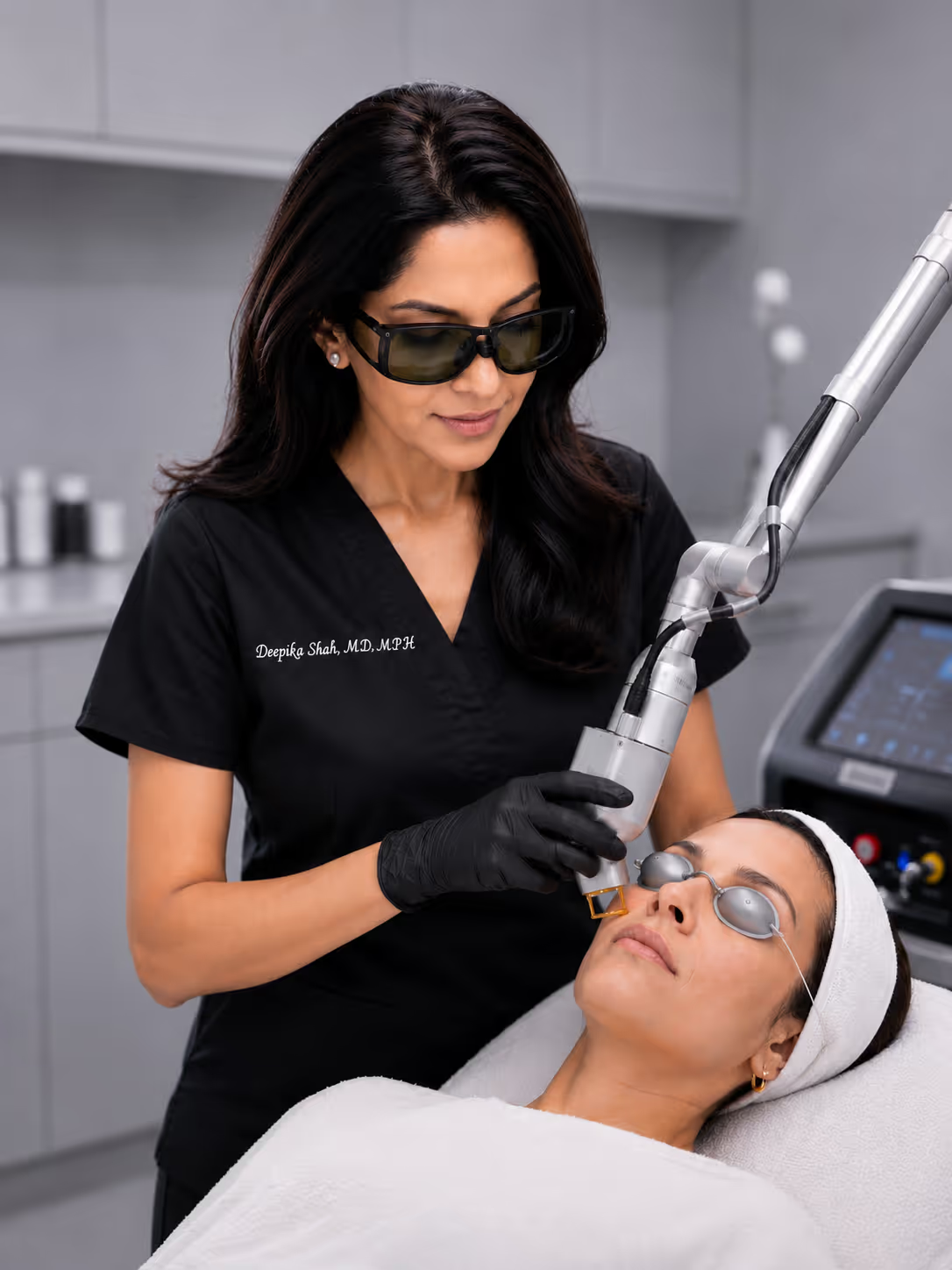
  • Lasers: Intense Pulsed Light therapy (IPL) and a host of other laser therapies can be utilized to treat the eyelid skin and improve/restore structural integrity. Dr Shah will tailor treatment specific to your condition.
  • Thermal Pulsation devices: These include short in-office treatments to maintain your meibomian gland health and optimize the ocular surface

Dr. Shah will also guide you on simple lifestyle adjustments, such as using humidifiers and taking breaks from screens, to help manage your symptoms and improve your eye comfort.
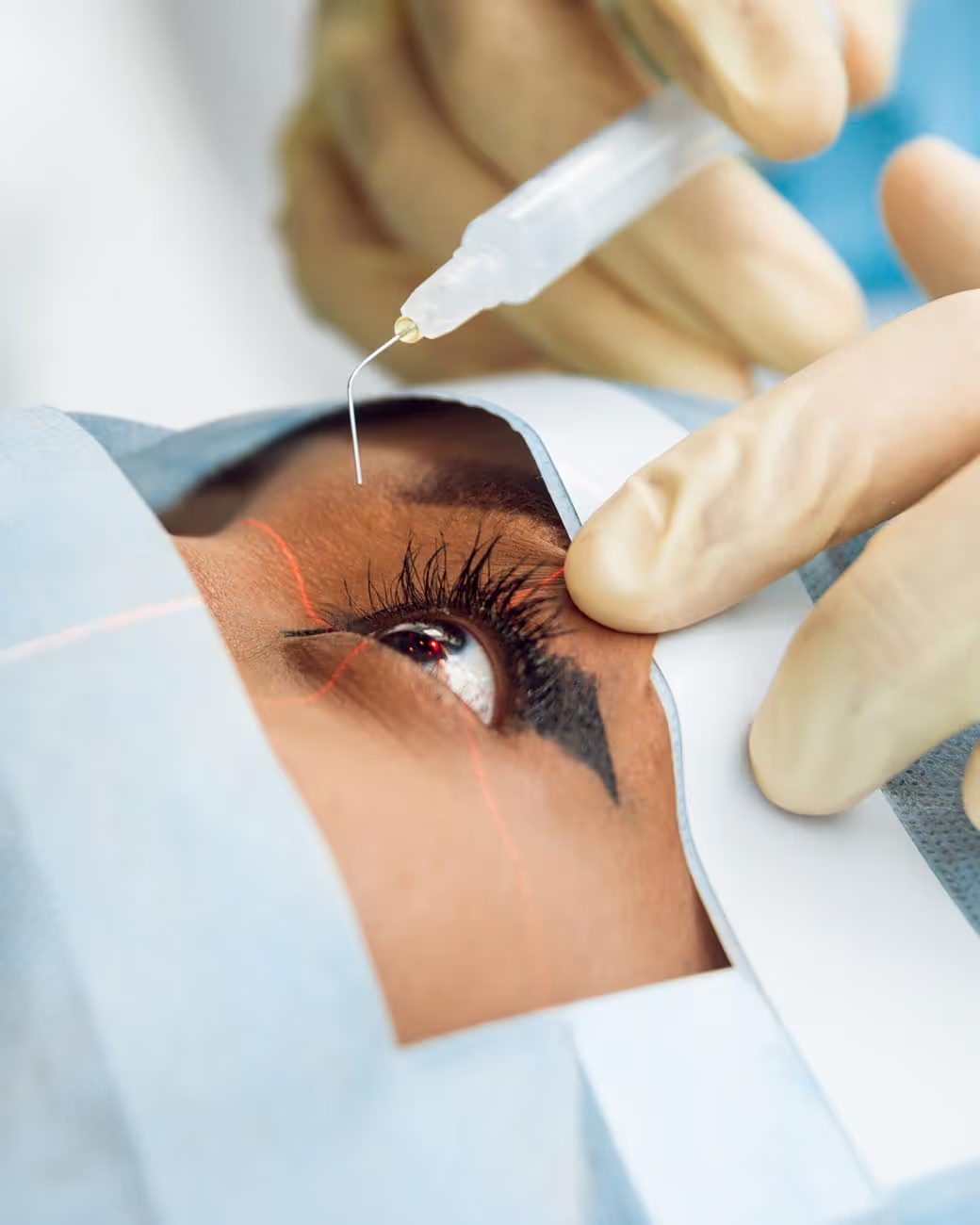
Ocular Surface Reconstruction

When the delicate surface of the eye is damaged, it can lead to chronic pain, irritation, and significant vision loss.

Ocular surface care refers to a group of highly specialized procedures designed to restore the health and clarity of the cornea and the conjunctiva (the clear layer over the white of the eye). Dr. Shah is one of the nation's leading experts in this complex field, offering a full spectrum of care for everything from minor growths to complex reconstructions.
Reconstructive Procedures

For patients with extensive damage from severe dry eye, burn injuries, severe autoimmune diseases, or complications from past surgeries, Dr. Shah provides advanced reconstructive procedures.

The goal is to rebuild a healthy, stable eye surface. Some of the advanced techniques she may use include:
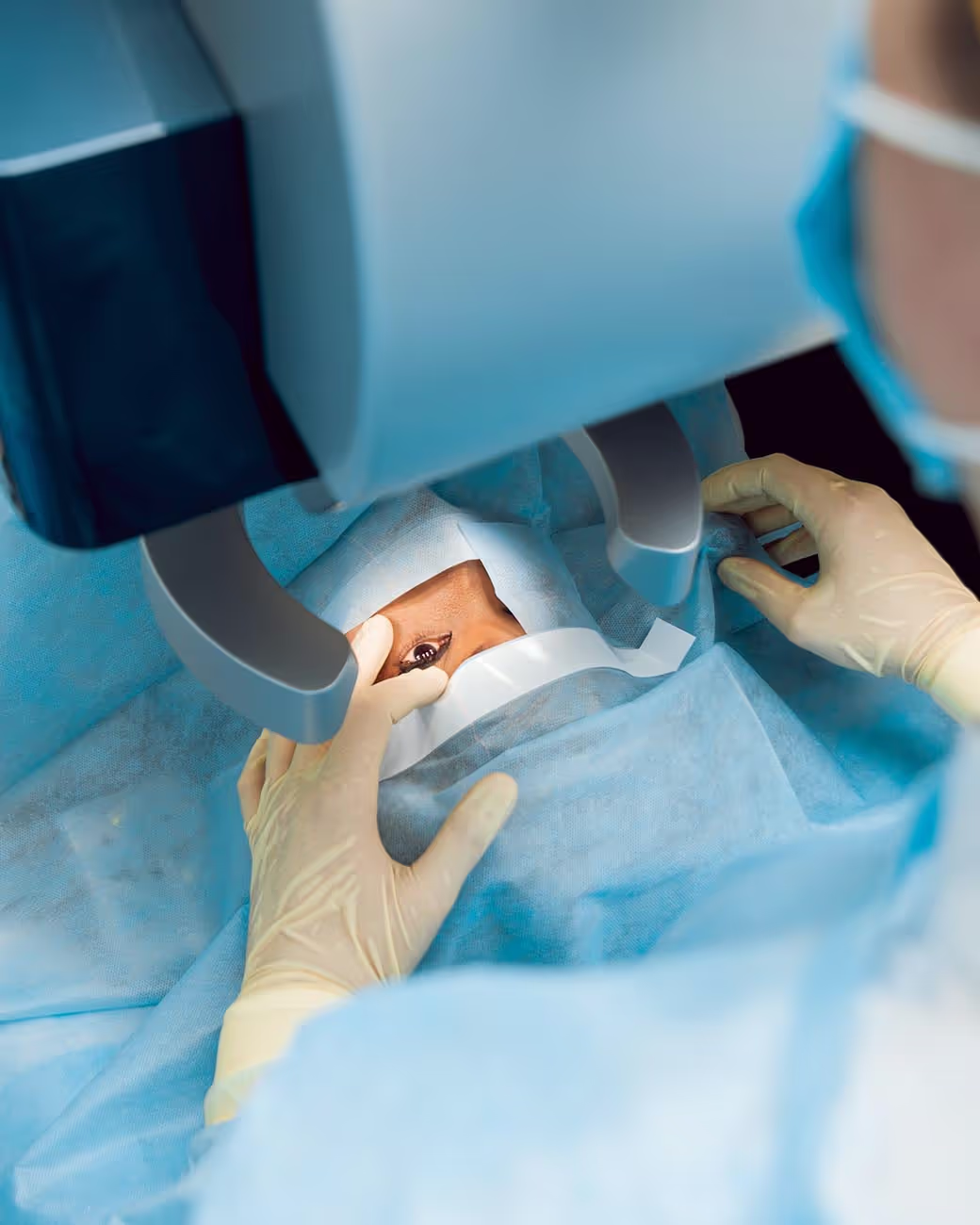
  • Limbal Stem Cell Transplantation: When stem cells that regenerate the cornea's surface are damaged, a transplant can be performed using healthy cells from the patient's own eye or a donor.
  • Amniotic Membrane Grafts: The amniotic membrane, a thin layer from the placenta, has natural healing and anti-inflammatory properties. It is often used as a biological bandage to help repair and regenerate the damaged eye surface.

Common Ocular Surface Procedures

In addition to reconstructive surgery, Dr. Shah also performs a number of common outpatient procedures to improve eye health and appearance.

  • Biopsy of Suspicious Lesions: If a lesion (a nevus or mole) on the surface of your eye appears suspicious, she can perform a quick biopsy to determine if it is benign or cancerous.
  • Cosmetic Removal of Nevi: Benign nevi (moles) on the eye are common. If they are affecting your appearance and you wish to have them removed, she can perform a safe and effective cosmetic excision.

Your Vision is Dr. Shah’s Priority

Schedule a Consultation
Dr. Shah smiling in a brown dress while leaning on a white wall