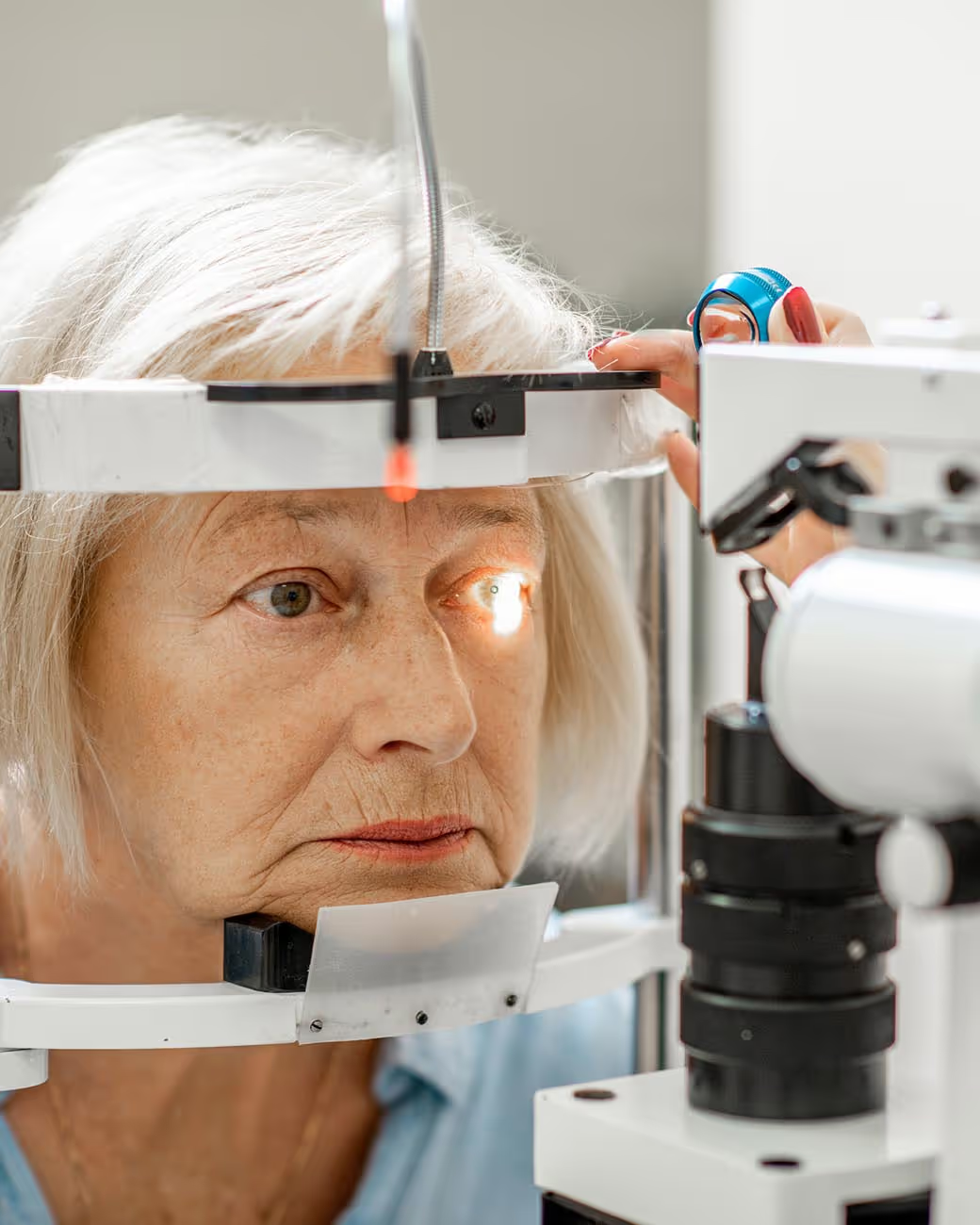
Understanding Glaucoma
Glaucoma is a progressive condition that affects the optic nerve—the vital link between your eye and brain. Often related to elevated eye pressure, glaucoma can gradually reduce peripheral vision and, if untreated, lead to permanent vision loss. The condition develops silently, which is why early detection through regular eye exams is essential.
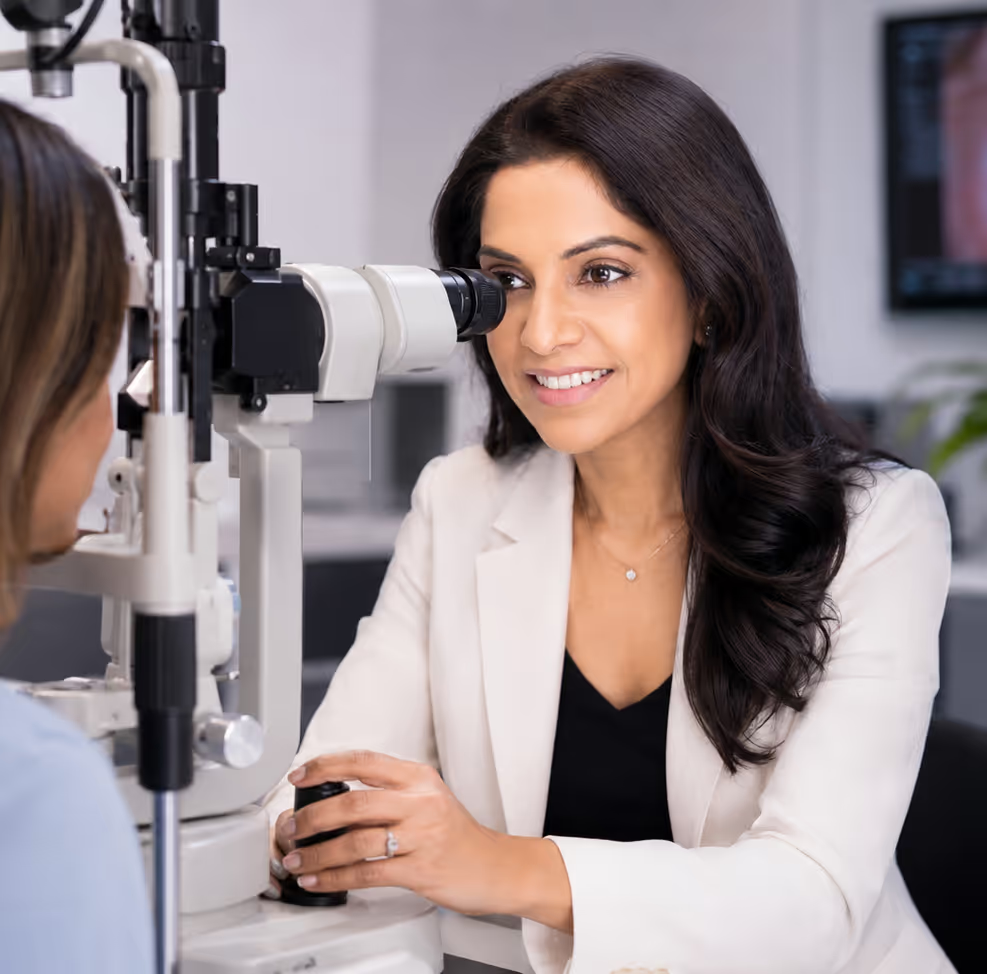
Personalized Diagnosis
At our practice, we use advanced diagnostic imaging and gentle, non-invasive testing to detect glaucoma at its earliest stages.
Your comprehensive evaluation may include:
These technologies allow us to create a detailed, individualized map of your eye health and risk profile.
While glaucoma cannot be cured, it can be managed effectively. Our goal is to preserve your vision and quality of life through a tailored, stepwise approach.






Prescription eye drops or oral medications reduce intraocular pressure by improving fluid balance within the eye. We carefully select and monitor these therapies for maximum comfort and effectiveness.
Modern, office-based laser procedures can improve drainage and lower eye pressure—often with minimal recovery time. Selective Laser Trabeculoplasty (SLT) enhances fluid outflow in open-angle glaucoma. Laser Peripheral Iridotomy (LPI) prevents pressure spikes in narrow-angle glaucoma.
For patients who need further pressure control, we offer the latest MIGS procedures—such as iStent®, Hydrus®, OMNI®, and Xen® Gel Stent—which provide long-term pressure reduction through micro-incisions and rapid recovery.
In more advanced cases, traditional surgery may be recommended: Trabeculectomy creates a new drainage channel. Glaucoma Drainage Implants (tubes) regulate fluid flow safely and predictably. Each treatment plan is customized for your unique anatomy, lifestyle, and visual goals.

Continuing Vision Wellness
Glaucoma management is a lifelong partnership.
Our team provides close follow-up, advanced monitoring, and ongoing support to ensure your vision remains clear and stable for years to come. With attentive care and today’s technology, most patients maintain excellent vision throughout their lives.