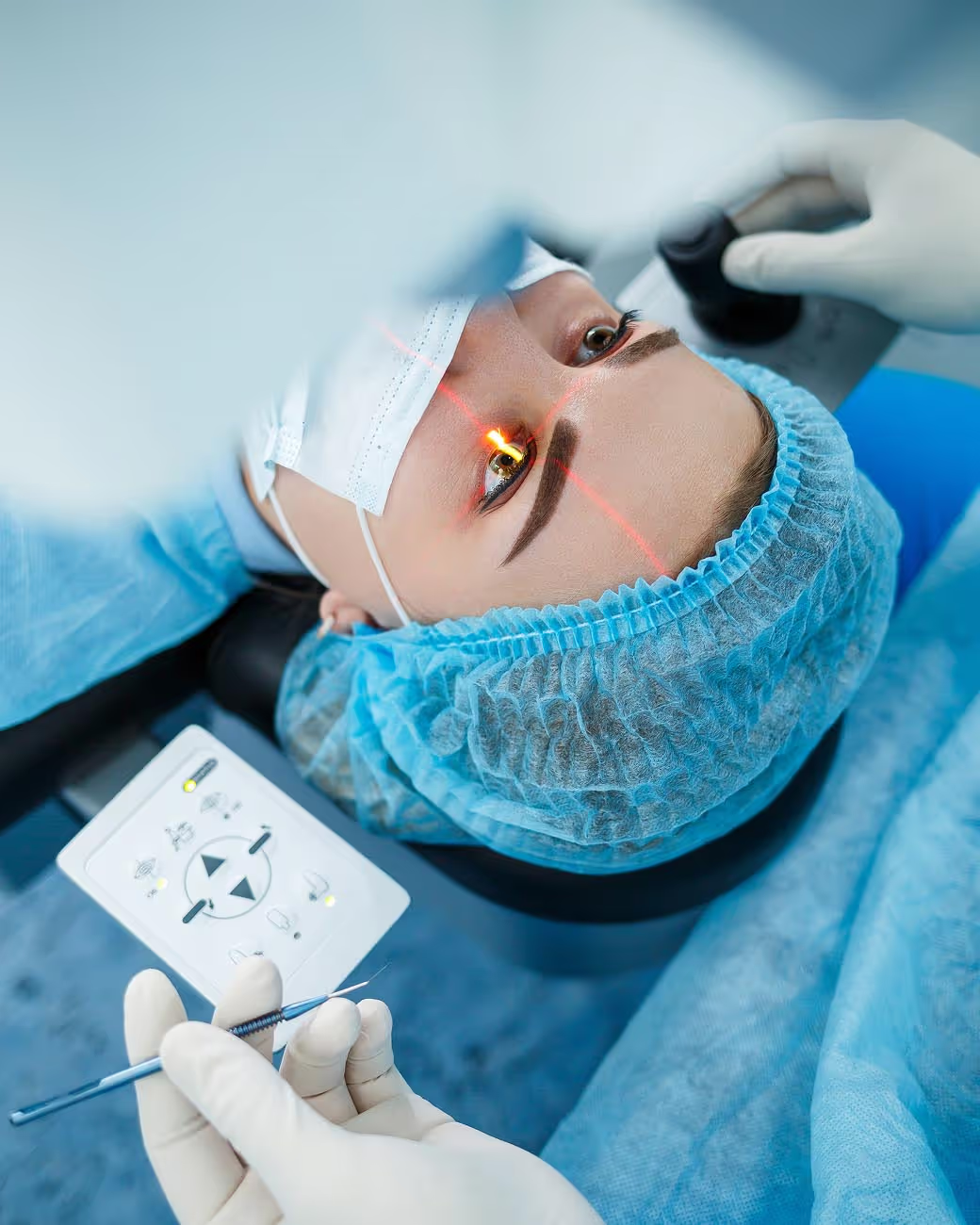
PRK
For many people, PRK is an excellent alternative to LASIK, especially for those who may not be ideal candidates for a flap-based procedure. Dr. Shah has extensive experience performing this advanced surface-level laser vision correction. Like LASIK, PRK is designed to permanently correct nearsightedness, farsightedness, and astigmatism.







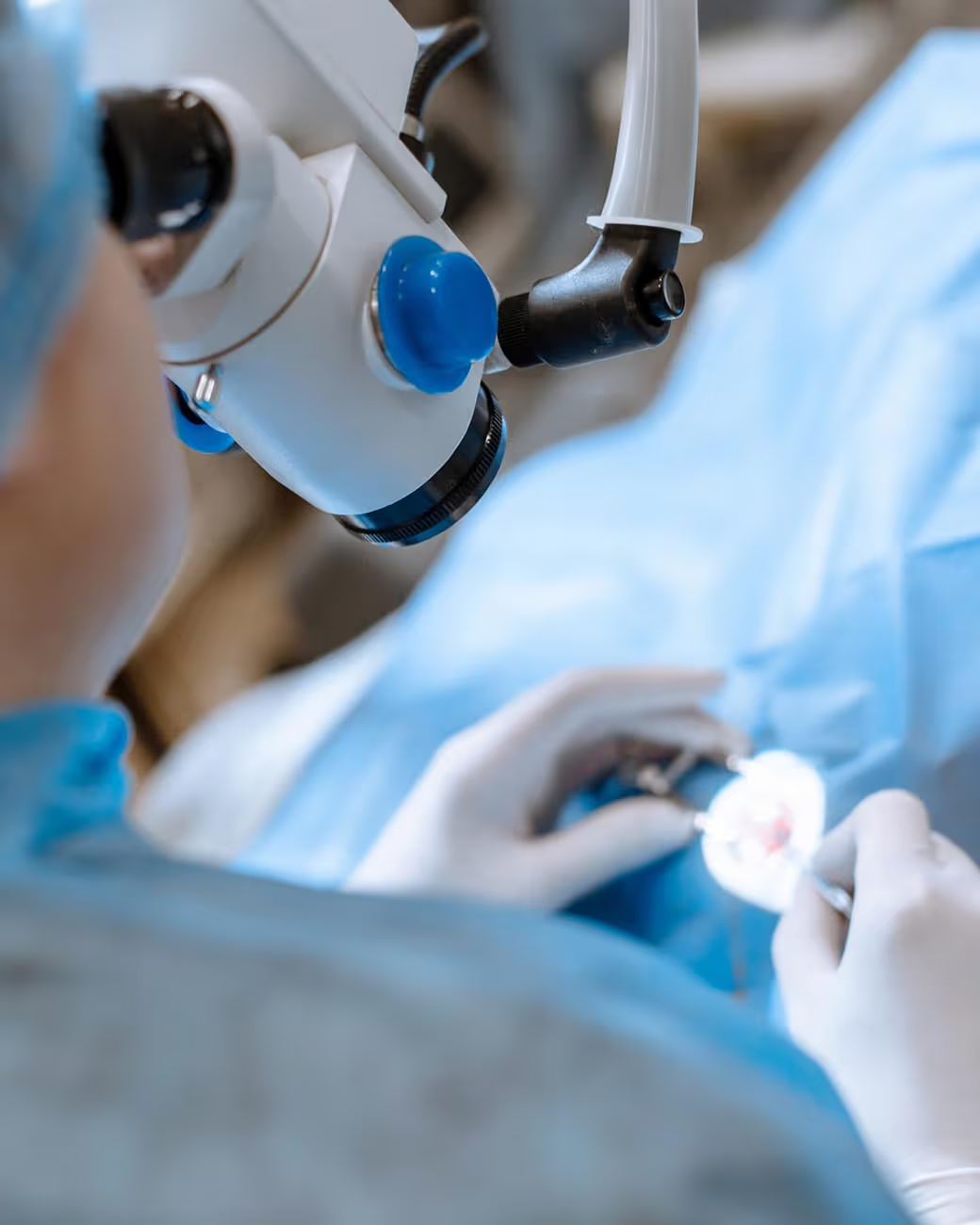
How the PRK Procedure Works
Instead of creating a flap in the cornea, Dr. Shah first gently removes the outermost layer of cells, known as the epithelium. These cells will grow back naturally over a few days.
Once this surface layer is gone, a highly advanced excimer laser is used to precisely reshape the underlying corneal tissue. This is the same type of laser used in LASIK and it is customized to your unique prescription. After the laser reshapes the cornea, Dr. Shah places a special "bandage" contact lens on your eye. This lens stays in place for about a week, acting as a protective shield while your new surface cells regenerate and heal.

Recovery and Benefits
While your vision will begin to improve over the first week, full visual clarity can take a few weeks to stabilize. Patients can expect some mild discomfort, but this is managed with prescribed eye drops and medication.
PRK is often the preferred choice for people with thinner corneas or those with active lifestyles, such as athletes or military personnel, as it eliminates any risk of a corneal flap being dislodged. Under Dr. Shah's care, PRK can be a safe and effective path to achieving clear, lasting vision.